Просмотренные публикации

QR-код этой страницы

Для продолжения изучения на мобильном устройстве ПРОСКАНИРУЙТЕ QR-код с помощью спец. программы или фотокамеры мобильного устройства

Случайный выбор

данная функция, случайным образом выбирает информацию для Вашего изучения,
запустите выбор нажав кнопку ниже

Обратная связь
Напишите нам

Поделитесь своими идеями по улучшению нашей работы.
Прикрепить файл или скриншот удалить
Закрытая часть портала предназначена для только для работников здравоохранения. Оставив свой e-mail и специалищацию, Вы подтверждаете, что являетесь работником здравоохранения и что Вы ознакомились с текстом и поняли его.


Сообщение об ошибке
Что улучшить?

Поделитесь своими идеями по улучшению нашей работы.
Прикрепить файл или скриншот удалить
Закрытая часть портала предназначена для только для работников здравоохранения. Оставив свой e-mail и специалищацию, Вы подтверждаете, что являетесь работником здравоохранения и что Вы ознакомились с текстом и поняли его.


Главная Статьи Переработанное руководство по диагностике, наблюдению и лечению пищевода Баррета

Статьи: Переработанное руководство по диагностике, наблюдению и лечению пищевода Баррета

22 мин
Авторы: Рекомендации Американского Гастроэнтерологического Колледжа 2001г.

Полный текст статьи:

Материал представляет собой краткое изложение переработанного руководства Американского гастроэнтерологического колледжа (ACG) 2001 года по диагностике, наблюдению и лечению пищевода Барретта. Рекомендации отражают состояние подходов на момент публикации документа. Для современных материалов по пищеводу Барретта используйте ссылки в разделе «Актуальные материалы по теме» ниже.

Что рассматривает руководство ACG 2001 года

Документ посвящён определению пищевода Барретта, отбору пациентов для эндоскопического обследования, эндоскопической и морфологической диагностике, наблюдению за пациентами в зависимости от наличия дисплазии и подходам к лечению.

Авторы подчёркивали, что руководство предлагает предпочтительный, но не единственный подход, а клиническая тактика должна учитывать особенности конкретного пациента.

Определение и диагностика пищевода Барретта

В руководстве пищевод Барретта определяется как изменение эпителия пищевода любой протяжённости, выявляемое при эндоскопическом исследовании и подтверждаемое обнаружением кишечной метаплазии при биопсии из трубчатой части пищевода. Кишечная метаплазия кардии в это определение не включалась.

При эндоскопии авторы рекомендуют точно определять положение плоско-цилиндрического соединения и пищеводно-желудочного перехода. Если эндоскопическая картина вызывает подозрение на пищевод Барретта, необходима множественная биопсия для подтверждения кишечной метаплазии и выявления дисплазии.

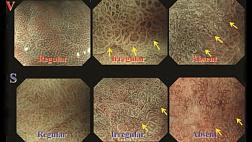
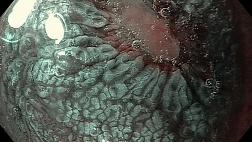
В руководстве также обсуждаются дополнительные эндоскопические методы, использовавшиеся для улучшения визуализации изменённой слизистой и выбора участков для биопсии, включая различные варианты хромоэндоскопии и эндоскопию с увеличением.

Скрининг в руководстве 2001 года

Основной группой, рассматриваемой авторами для эндоскопического поиска пищевода Барретта, были пациенты с хроническими симптомами гастроэзофагеальной рефлюксной болезни.

В документе обсуждалось влияние длительности рефлюксных симптомов, возраста, пола и других характеристик пациентов на вероятность обнаружения пищевода Барретта. При этом авторы отмечали, что точные критерии отбора пациентов для скрининга на момент подготовки руководства ещё не были окончательно определены.

Наблюдение пациентов

В руководстве принцип наблюдения строится вокруг наличия и степени дисплазии. Авторы рассматривают дисплазию как основной морфологический показатель риска неопластического прогрессирования.

При отсутствии дисплазии после двух последовательных эндоскопических исследований в руководстве допускался интервал наблюдения в три года.

При дисплазии низкой степени предлагалось ежегодное эндоскопическое исследование до подтверждения отсутствия дисплазии.

При дисплазии высокой степени требовались повторная эндоскопия, тщательный осмотр слизистой и множественная биопсия для подтверждения диагноза и исключения рака. В документе отдельно обсуждаются фокальная и мультифокальная дисплазия высокой степени и наличие видимых изменений слизистой.

Биопсия и оценка дисплазии

Авторы подчёркивают фокальный характер дисплазии и ранней неоплазии при пищеводе Барретта. Поэтому биопсия должна выполняться систематически не только из визуально изменённых участков, но и из слизистой сегмента пищевода Барретта без очевидных очаговых изменений.

Отдельная биопсия рекомендуется из эрозий, язв, узловых изменений, стриктур и других патологически выглядящих участков.

В руководстве обсуждается четырёхквадрантный протокол биопсии с определёнными интервалами вдоль сегмента пищевода Барретта и необходимость более плотного биопсийного контроля при дисплазии высокой степени.

Подход к дисплазии высокой степени

Руководство отражает существовавшую на момент его подготовки дискуссию между интенсивным эндоскопическим наблюдением и хирургическим лечением пациентов с дисплазией высокой степени.

Авторы подчёркивают необходимость подтверждения дисплазии опытным морфологом и повторного тщательного эндоскопического исследования. При видимых узловых изменениях обсуждается эндоскопическая резекция слизистой как способ получения более крупного материала для морфологической оценки.

В документе также рассматривается эзофагэктомия как один из вариантов ведения пациентов с подтверждённой дисплазией высокой степени и одновременно обсуждаются ограничения хирургического подхода и необходимость индивидуального выбора.

Лечение пищевода Барретта

В руководстве основной целью терапии называется контроль проявлений гастроэзофагеальной рефлюксной болезни и поддержание заживления слизистой оболочки пищевода.

Обсуждаются антисекреторная терапия ингибиторами протонной помпы и возможность антирефлюксной хирургии у отдельных пациентов.

Отдельное внимание уделяется развивавшимся на тот момент эндоскопическим технологиям устранения метаплазированного эпителия. Авторы отмечают, что вопросы полноты восстановления плоского эпителия, долговременного результата и влияния таких вмешательств на неопластическое прогрессирование требовали дальнейшего изучения.

Какие вопросы руководство оставляло открытыми

  • критерии эндоскопического скрининга пациентов с ГЭРБ;
  • оптимальные интервалы наблюдения пациентов с пищеводом Барретта;
  • роль биологических и генетических маркеров риска;
  • тактика при дисплазии высокой степени;
  • необходимая степень кислотной супрессии;
  • роль эндоскопических методов в лечении дисплазии и раннего рака.

Источник

Переработанное руководство Американского гастроэнтерологического колледжа по диагностике, наблюдению и лечению пищевода Барретта. Рекомендации ACG, 2001 год.

Данная страница является кратким изложением исторического руководства 2001 года без актуализации его медицинских положений.

Актуальные материалы по теме

Открыт общий доступ к полному тексту статьи свернуть

Список литературы:

  1. Practice Parameters Committee of the American College of Gastroenterology Sampliner R. (1998) Practice guidelines on the diagnosis, surveillance, and therapy of Barrett's esophagus. Am J Gastroenterol 93:1028-1032
  2. Naef A.P. , Savary M. and Ozzello L. et al. (1975) Columnar-lined lower esophagus. An acquired lesion with malignant predisposition. J Thorac Cardiovasc Surg 70:826-835
  3. VA Gastroesophageal Disease Study Group Spechler S.J. (1992) Comparison of medical and surgical therapy for complicated gastroesophageal reflux disease in veterans. N Engl J Med 326:786-792
  4. Blot W.J. , Devesa S.S. and Kneller R.W. et al. (1991) Rising incidence of adenocarcinoma of the esophagus and gastric cardia. JAMA 265:1287-1289
  5. Devesa S.S. , Blot W.J. and Fraumeni J. (1998) Changing patterns in the incidence of esophageal and gastric carcinoma in the United States. Cancer 83:2049-2053
  6. Haggitt R.C. , Tryzelaar J. and Ellis F.H. et al. (1978) Adenocarcinoma complicating columnar epithelial lined (Barrett's) esophagus. Am J Clin Pathol 70:1-5
  7. Skinner D.B. , Walther B.C. and Riddell R.H. et al. (1983) Barrett's esophagus. Comparison of benign and malignant cases. Ann Surg 198:554-565
  8. Smith R.R.L. , Hamilton S.R. and Boitnott J.K. et al. (1984) The spectrum of carcinoma arising in Barrett's esophagus. Am J Surg Pathol 8:563-573
  9. Rosenberg J.C. , Budey H. and Edwards R.C. et al. (1985) Analysis of adenocarcinoma in Barrett's esophagus utilizing a staging system. Cancer 55:1353-1360
  10. Paraf F. , Flejou J.F. and Pignon J.P. et al. (1995) Surgical pathology of adenocarcinoma arising in Barrett's esophagus. Am J Surg Pathol 19:183-191
  11. Cameron A.J. , Lomboy C.T. and Pera M. et al. (1995) Adenocarcinoma of the esophagogastric junction in Barrett's esophagus. Gastroenterology 109:1541-1546
  12. Clark G.W. , Smyrk T.C. and Budiles P. et al. (1994) Barrett's metaplasia the source of adenocarcinomas of the cardia?. Arch Surg 129:609-614
  13. MacDonald W.C. and MacDonald J.B. (1987) Adenocarcinoma of the esophagus and/or gastric cardia. Cancer 60:1094-1098
  14. Weston A.P. , Krmpotich P. and Makdisi W.F. et al. (1996) Short segment Barrett's esophagus. Clinical and histological features, associated endoscopic findings and associations with gastric intestinal metaplasia. Am J Gastroenterol 91:981-986
  15. Hirota W. , Loughney T. and Lazas D. et al. (1999) Specialized intestinal metaplasia, dysplasia and cancer of the esophagus and esophagogastric junction: Prevalence and clinical data. Gastroenterology 116:277-285
  16. Johnston M.H. , Hammond A.S. and Laskin W. et al. (1996) The prevalence and clinical characteristics of short segments of specialized intestinal metaplasia in the distal esophagus on routine endoscopy. Am J Gastroenterol 1:1507-1511
  17. Loughney T. , Maydonovitch C. and Wong R. (1998) Esophageal manometry and ambulatory 24-hour pH monitoring in patients with short and long segment Barrett's esophagus. Am J Gastroenterol 93:916-919
  18. Fass R. , Hell R.W. and Garewall H.S. et al. (2001) Correlation of oesophageal acid exposure with Barrett's oesophagus length. Gut 48:310-313
  19. Spechler S.J. , Zeroogian J.M. and Antonioli D.A. (1994) Prevalence of metaplasia at the gastroesophageal junction. Lancet 92:414-418
  20. Chalasani N. , Wo J.M. and Hunter J.G. et al. (1997) Significance of intestinal metaplasia in different areas of esophagus including esophagogastric junction. Dig Dis Sci 42:603-607
  21. Morales T.G. , Sampliner R.E. and Bhattacharyya A. (1997) Intestinal metaplasia of the gastric cardia. Am J Gastroenterol 92:414-418
  22. Sharma P. , Weston A. and Morales T. et al. (2000) Relative risk of dysplasia for patients with intestinal metaplasia in the distal oesophagus and the gastric cardia. Gut 46:9-13
  23. DeVault K. and Castell D. (1999) Updated guidelines for the diagnosis and treatment of gastroesophageal reflux disease. Am J Gastroenterol 94:1434-1442
  24. Eisen G.M. , Sandler R.S. and Murray S. et al. (1997) The relationship between gastroesophageal reflux disease and its complications with Barrett's esophagus. Am J Gastroenterol 92:27-31
  25. Lieberman D. , Oehlke M. and Helfand M. (1997) GORE Consortium. Risk factors for Barrett's esophagus in community-based practice. Am J Gastroenterol 92:1293-1297
  26. Lagergren J. , Bergstrom R. and Lindgren A. et al. (1999) Symptomatic gastroesophageal reflux as a risk factor for esophageal adenocarcinoma. N Engl J Med 340:825-831
  27. Freston J.W. , Malagelada J.R. and Petersen H. et al. (1995) Critical issues in the management of gastroesophageal reflux disease. Eur J Gastroenterol Hepatol 7:577-586
  28. Eloubeidi M.A. and Provenzale D. (2001) Clinical and demographic predictors of Barrett's esophagus among patients with gastroesophageal reflux disease. J Clin Gastroenterol 3:306-309
  29. Drewitz D.J. , Sampliner R.E. and Garewal H.S. (1997) The incidence of adenocarcinoma in Barrett's esophagus: A prospective study of 170 patients followed 4.8 years. Am J Gastroenterol 92:212-215
  30. Weinstein W. (1999) Erosive esophagitis impairs accurate detection of Barrett's esophagus: A prospective randomized double blind study. Gastroenterology 116:A352(G1538)(abstract)
  31. Schmitz R.J , Sharma P. and Topalovski M. et al. (2000) Detection of Barrett's esophagus after endoscopic healing for erosive esophagitis. Am J Gastroenterol 95:2433(abstract)
  32. Iascone C. , DeMeester T.R. and Little A.G. et al. (1983) Barrett's esophagus. Arch Surg 118:543-549
  33. McClave S.A. , Boyce H.W. and Gottfried M.R. (1987) Early diagnosis of columnar lined esophagus: A new endoscopic criterion. Gastrointest Endosc 33:413-416
  34. Woolf G.M. , Riddell R.H. and Irvine E.J. et al. (1989) A study to examine agreement between endoscopy and histology for the diagnosis of columnar lined (Barrett's) esophagus. Gastrointest Endosc 35:541-544
  35. Chobanian S.J. , Cattau E.L. and Winters C. et al. (1987) In vivo staining with toluidine blue as an adjunct to the endoscopic detection of Barrett's esophagus. Gastrointest Endosc 33:99-102
  36. Stevens P.D. , Lightdale C.J. and Green P.H.R. et al. (1994) Combined magnification endoscopy with chromoendoscopy for the evaluation of Barrett's esophagus. Gastrointest Endosc 40:747-749
  37. Canto M.I. , Setrakian S. and Petras R.E. et al. (1996) Methylene blue selectively stains intestinal metaplasia in Barrett's esophagus. Gastrointest Endosc 44:1-7
  38. Canto M.I. , Setrakian S. and Willis J. et al. (2000) Methylene blue directed biopsies improve detection of intestinal metaplasia and dysplasia in Barrett's esophagus. Gastrointest Endosc 51:560-568
  39. Sharma P. , Topalovski M. , Mayo M.S. and Weston A.P. (2001) Methylene blue chromoendoscopy for detection of short segment Barrett's esophagus. Gastrointest Endosc 54:289-293
  40. Guelrud M. , Herrera I. and Essenfeld H. et al. (2001) Enhanced magnification endoscopy: A new technique to identify specialized intestinal metaplasia in Barrett's esophagus. Gastrointest Endosc 53:559-565
  41. Sharma P. , Weston A. and Sampliner R.E. (2001) Magnification chromoendoscopy for the detection of intestinal metaplasia and dysplasia in Barrett's esophagus. Gastrointest Endosc 53:AB63(329)(abstract)
  42. Wallner B. , Sylvan A. , Stenling R. and Janunger K. (2000) The esophageal z-line appearance correlates to the prevalence of intestinal metaplasia. Scand J Gastroenterol 35:17-22
  43. Zwas F. , Shields H.M. and Doos W.G. et al. (1986) Scanning electron microscopy of Barrett's epithelial and its correlation with light microscopy and mucin stains. Gastroenterology 90:1932-1941
  44. Streitz J.M. , Andrews C.W. and Ellis F.H. (1993) Endoscopic surveillance of Barrett's esophagus. J Thorac Cardiovasc Surg 105:383-388
  45. Peters J.H. , Clark G.W.B. and Ireland A.P. et al. (1994) Outcome of adenocarcinoma arising in Barrett's esophagus in endoscopically surveyed and nonsurveyed patients. J Thorac Cardiovasc Surg 108:811-822
  46. vanSandick J. , vanLanschot J. and Kuiken B. et al. (1998) Impact of endoscopic biopsy surveillance of Barrett's oesophagus on pathological stage and clinical outcome of Barrett's carcinoma. Gut 43:216-222
  47. VanderBurgh A. , Dees J. and Hop W.C.I. et al. (1996) Oesophageal cancer is an uncommon cause of death in patients with Barrett's oesophagus. Gut 139:5-8
  48. MacDonald C.E. , Wicks A.C. and Playford R.J. (2000) Final results from 10 year cohort of patients undergoing surveillance for Barrett's oesophagus: Observational study. Br Med J 321:1252-1255
  49. Weston A. , Krmpotich P. and Cherian R. et al. (1997) Prospective evaluation of intestinal metaplasia and dysplasia within the cardia of patients with Barrett's esophagus. Dig Dis Sci 42:597-602
  50. Sharma P. , Morales T. and Bhattacharyya A. et al. (1997) Dysplasia in short segment Barrett's esophagus-A prospective 3 year follow-up. Am J Gastroenterol 92:2012-2016
  51. Hamilton S. , Smith R. and Cameron J. (1988) Prevalence and characteristics of Barrett's esophagus in patients with adenocarcinoma of the esophagus or esophagogastric junction. Hum Pathol 19:942-948
  52. Rudolph R. , Vaughan T. and Storer B. et al. (2000) Effect of segment length on risk for neoplastic progression in patients with Barrett's esophagus. Ann Intern Med 132:612-620
  53. Schnell T. , Sontag S. and Chejfec G. (1992) Adenocarcinomas arising in tongues or short segments of Barrett's esophagus. Dig Dis Sci 37:137-143
  54. Riddell R.H. , Goldman H. and Ransohoff D.E. et al. (1983) Dysplasia in inflammatory bowel disease. Standardized classification with provisional clinical information. Hum Pathol 14:931-968
  55. Reid B.J. , Haggitt R.C. and Rubin C.E. et al. (1988) Observer variation in the diagnosis of dysplasia in Barrett's esophagus. Hum Pathol 19:166-178
  56. Montgomery E. , Bronner M.P. and Goldblum J.R. et al. (2001) Reproducibility of the diagnosis of dysplasia in Barrett's esophagus: A reaffirmation. Hum Pathol 32:368-378
  57. Salo J.A. , Nemlander A. and Farkkila M. et al. (1996) Treatment of Barrett's metaplasia by antireflux surgery and endoscopic laser ablation. Clinical experience in ten patients. Gastroenterology 108:A1243(abstract)
  58. Sampliner R.E. , Fennerty M.B. and Garewal H.S. (1996) Reversal of Barrett's esophagus with acid suppression and multipolar electrocoagulation: Preliminary results. Gastrointest Endosc 44:523-525
  59. Overholt B.F. and Panjehpour M. (1996) Photodynamic therapy for Barrett's esophagus: Clinical update. Am J Gastroenterol 91:1719-1723
  60. Overholt B.F. and Panjehpour M. (2000) Photodynamic therapy in the management of Barrett's esophagus with dysplasia. Gastrointest Surg 4:129-130
  61. Schulz H. , Meihlke S. and Antos D. et al. (2000) Ablation of Barrett's epithelium by endoscopic argon plasma coagulation in combination with high dose omeprazole. Gastrointest Endosc 51:659-663
  62. Robertson C.S. , Mayberry I.F. and Nicholson D.A. et al. (1988) Value of endoscopic surveillance in the detection of neoplastic change in Barrett's oesophagus. Br J Surg 75:760-763
  63. Miros M. , Kerlin P. and Walker N. (1991) Only patients with dysplasia progress to adenocarcinoma in Barrett's esophagus. Gut 32:1441-1446
  64. Reid B. , Levine D. and Longton G. et al. (2000) Predictors of progression to cancer in Barrett's esophagus: Baseline histology and flow cytometry identify low and high risk patient subsets. Am J Gastroenterol 95:1669-1676
  65. Weston A. , Badr A. and Hassanein R. (1999) Prospective multivariate analysis of clinical, endoscopic, and histologic factors predictive of the development of Barrett's multifocal high grade dysplasia or adenocarcinoma. Am J Gastroenterol 94:3413-3419
  66. Schnell T.G. , Sontag S.J. and Chejfec G. et al. (2001) Long-term nonsurgical management of Barrett's esophagus with high grade dysplasia. Gastroenterology 120:1607-1619
  67. O'Connor J. , Falk G. and Richter J. (1999) The incidence of adenocarcinoma and dysplasia in Barrett's esophagus. Am J Gastroenterol 94:2037-2042
  68. Skacel M. , Petras R.E. and Gramlich T.L. et al. (2000) The diagnosis of low grade dysplasia in Barrett's esophagus and its implications for disease progression. Am J Gastroenterol 95:3383-3387
  69. Buttar N.S. , Want K.K. and Sebo T.J. et al. (2001) Extent of high grade dysplasia in Barrett's esophagus correlates with risk of adenocarcinoma. Gastroenterology 120:1630-1639
  70. Ell C. , May A. and Gossner L. et al. (2000) Endoscopic mucosal resection of early cancer and high grade dysplasia in Barrett's esophagus. Gastroenterology 118:670-677
  71. Nijhawan P. and Wang K. (2000) Endoscopic mucosal resection for lesions with endoscopic features suggestive of malignancy and high grade dysplasia within Barrett's esophagus. Gastroenterology 52:328-332
  72. Gross G. , Canto M. and Hixson J. et al. (1999) Management of Barrett's esophagus. A national study of practice patterns and their cost implications. Am J Gastroenterol 94:3440-3447
  73. Falk G. , Ours T. and Richter J. (2000) Practice patterns for surveillance of Barrett's esophagus in the United States. Gastrointest Endosc 52:197-203
  74. Begg C. , Cramer L. and Hoskins W. et al. (1998) Impact of hospital volume on operative mortality for major cancer surgery. JAMA 280:1747-1751
  75. Levine D.S. , Haggitt R.C. and Blount P.L. et al. (1993) An endoscopic biopsy protocol can differentiate high grade dysplasia from early adenocarcinoma in Barrett's esophagus. Gastroenterology 105:40-50
  76. Edwards M.J. , Gable D.R. and Lentsch A.B. et al. (1996) The rationale for esophagectomy as the optimal therapy for Barrett's esophagus with high grade dysplasia. Ann Surg 223:585-591
  77. Heitmiller R.F. , Redmond M. and Hamilton S.R. (1996) Barrett's esophagus with high grade dysplasia. Ann Surg 224:66-71
  78. Holscher A. , Bollschweiler E. and Schneider P. et al. (1997) Early adenocarcinoma in Barrett's esophagus. Br J Surg 84:423-429
  79. Ruol A. , Merigliano S. and Baldan N. et al. (1997) Prevalence, management, and outcome of early adenocarcinoma (pT1) of the esophagogastric junction. Comparison between early cancer in Barrett's esophagus (type I) and early cancer of the cardia (type II). Dis Esophagus 10:190-195
  80. Nigro J. , Hagen J. and DeMeester T. et al. (1999) Occult esophageal adenocarcinoma. Extent of disease and implications for effective therapy. Ann Surg 230:433-440
  81. vanSandick J. , vanLanschot J. and tenKate F. et al. (2000) Pathology of early invasive adenocarcinoma of the esophagus or esophagogastric junction. Cancer 88:2429-2437
  82. Stein H. , Feith M. and Mueller J. et al. (2000) Limited resection of early adenocarcinoma of Barrett's esophagus. Ann Surg 67:733-742
  83. Levine D.S. , Haggitt R.C. and Blount P.L. et al. (1993) An endoscopic biopsy protocol can differentiate high grade dysplasia from early adenocarcinoma in Barrett's esophagus. Gastroenterology 105:40-50
  84. Reid B.J. , Blount P. and Feng Z. et al. (2000) Optimizing endoscopic biopsy detection of early cancers in Barrett's high grade dysplasia. Am J Gastroenterol 95:3089-3096
  85. Gray M.R. , Hall P.A. and Nash J. et al. (1992) Epithelial proliferation in Barrett's esophagus by proliferating cell nuclear antigen immunolocalization. Gastroenterology 103:1769-1776
  86. Gillen P. , McDermott M. and Grehan D. et al. (1994) Proliferating cell nuclear antigen in the assessment of Barrett's mucosa. Br J Surg 81:1766-1768
  87. Hong M.K. , Laskin W.B. and Herman B.E. et al. (1995) Expansion of the Ki67 proliferative compartment correlates with degree of dysplasia in Barrett's esophagus. Cancer 75:423-429
  88. Reid B.J. , Haggitt R.C. and Rubin C.E. et al. (1987) Barrett's esophagus. Correlation between flow cytometry and histology in detection of patients at risk for adenocarcinoma. Gastroenterology 93:1-11
  89. McKinley M.J. , Budman D.R. and Grueneberg D. et al. (1987) DNA content in Barrett's esophagus and esophageal malignancy. Am J Gastroenterol 82:1012-1015
  90. Fennerty M.B. , Sampliner R.E. and Way D. et al. (1989) Discordance between flow cytometric abnormalities and dysplasia in Barrett's esophagus. Gastroenterology 97:815-820
  91. Ramel S. , Reid B.J. and Sanchez C.A. et al. (1992) Evaluation of p53 protein expression in Barrett's esophagus by two parameter flow cytometry. Gastroenterology 102:1220-1228
  92. Younes M. , Lebovitz R.M. and Lechago L.V. et al. (1993) p53 protein accumulation in Barrett's metaplasia, dysplasia, and carcinoma. A follow-up study. Gastroenterology 105:1637-1642
  93. Neshat K. , Sanchez C.A. and Galipeau P.C. et al. (1994) p53 in Barrett's adenocarcinoma and high grade dysplasia. Gastroenterology 106:1595-1598
  94. Jankowski J. , Hopwood D. and Wormsley K.G. (1992) Flow-cytometric analysis of growth regulatory peptides and their receptors in Barrett's oesophagus and oesophageal adenocarcinoma. Scand J Gastroenterol 27:147-154
  95. Brito M.J. , Filipe M.I. and Linehan J. et al. (1995) Association of transforming growth factor alpha (TGFA) and its precursors with malignant change in Barrett's epithelium: Biological and clinics variables. Int J Cancer 60:27-32
  96. Zimmerman K. , Sarbia M. and Weber A. et al. (1999) Cyclooxygenase-2 expression in human esophageal carcinoma. Cancer Res 59:198-204
  97. Wilson K. , Fu S. and Ramanujam K. et al. (1998) Increased expression of inducible nitric oxide synthase and cyclooxygenase-2 in Barrett's esophagus and associated adenocarcinomas. Cancer Res 58:2929-2934
  98. Shirvani V. , Ouatu-Lascar R. and Kaur B. et al. (2000) Cyclooxygenase-2 expression in Barrett's esophagus and adenocarcinoma. Ex vivo induction by bile salts and acid exposure. Gastroenterology 118:487-496
  99. Reid B.J. , Prevo L.J. and Galipeau P.C. et al. (2001) Predictors of progression in Barrett's esophagus II: Baseline 17p (p53) loss of heterozygosity identifies a patient subset at increased risk for neoplastic progression. Am J Gastroenterol 96:2839-2848
  100. Reid B. , Levine D. and Longton G. et al. (2000) Predictors of progression to cancer in Barrett's esophagus: Baseline histology and flow cytometry identify low and high risk patient subsets. Am J Gastroenterol 95:1669-1679
  101. Teodori L. , Gohde W. and Persiani M. et al. (1998) DNA/protein flow cytometry as a predictive marker of malignancy in dysplasia-free Barrett's esophagus. Thirteen year follow-up study on a cohort of patients. Cytometry 34:257-263
  102. Sharma P. , Sampliner R.E. and Camargo E. (1997) Normalization of esophageal pH with high dose proton pump inhibitor therapy does not result in regression of Barrett's esophagus. Am J Gastroenterol 92:582-585
  103. Stein H.J. , Hoeft S. and DeMeester T.R. (1993) Functional foregut abnormalities in Barrett's esophagus. Thorac Cardiovasc Surg 105:107-111
  104. Vaezi M.E. and Richter J.E. (1996) Role of acid and duodenogastroesophageal reflux disease. Gastroenterology 111:1192-1199
  105. Katzka D.A. and Castell D.O. (1994) Successful elimination of reflux symptoms does not insure adequate control of acid reflux in patients with Barrett's esophagus. Am J Gastroenterol 89:989-991
  106. Fass R. , Sampliner R.E. and Malagon I. et al. (2000) Failure of oesophageal acid control in candidates for Barrett's oesophagus reversal on a very high dose of proton pump inhibitor. Aliment Pharmacol 14:597-602
  107. Yau P. , Watson D. and Devitt P. et al. (2000) Laparoscopic antireflux surgery in the treatment of gastroesophageal reflux disease in patients with Barrett's esophagus. Arch Surg 135:801-805
  108. Farrell T. , Smith C. and Metreveli R. et al. (1999) Fundoplication provides effective and durable symptom relief in patients with Barrett's esophagus. Am J Surg 178:18-21
  109. Haag S. , Nandurkar S. and Talley N. (1999) Regression of Barrett's esophagus: The role of acid suppression, surgery and ablative methods. Gastrointest Endosc 50:229-240
  110. Cameron A.J. , Zinsmeister A.R. and Ballard D.J. et al. (1990) Prevalence of columnar lined (Barrett's) esophagus. Gastroenterology 99:918-922
  111. Johnson D.A. , Winters C. and Spurling T.J. et al. (1987) Esophageal acid sensitivity in Barrett's esophagus. J Clin Gastroenterol 9:23-27
  112. Grade A. , Pulliam G. and Johnson C. et al. (1997) Reduced chemoreceptor sensitivity in patients with Barrett's esophagus may be related to age and not to the presence of Barrett's epithelium. Am J Gastroenterol 92:2040-2043
  113. Malesci A. , Savarino V. and Zenith P. et al. (1996) Partial regression of Barrett's esophagus by long term therapy with high dose omeprazole. Gastrointest Endosc 44:700-705
  114. Peters F. , Ganesh S. and Kuipers E. et al. (1999) Endoscopic regression of Barrett's oesophagus during omeprazole treatment: A randomised double blind study. Gut 45:489-494
  115. Langman M. , Cheng K. and Gilman E. et al. (2000) Effect of anti-inflammatory drugs on overall risk of common cancer: Case control study in general practice research database. BJM 320:1642-1646
  116. Farrow D. , Vaughn T. and Hansen P. et al. (1998) Use of aspirin and other nonsteroidal anti-inflammatory drugs and risk of esophageal and gastric cancer. Cancer Epidemiol Biomarkers Prev 7:49-102
20.11.17 © Дмитриенко ..
Оцените материал: Рейтинг: 6

Комментарии

Написать

Синдром Аддисона - Бирмера

(злокачественное малокровие, пернициозная анемия, в12-дефицитная анемия) B12 анемия, обусловленная аутоимунными механизмами, сопровождается ахилией, отсутствие пепсина и продукцией антител к париетальным клеткам.Гастроскопия выявляет гнездную, ре­же тотальную атрофию слизистой желудкаХарактерным симптомом является наличие так называемых перламутровых бляшек — блестящих зеркальных участков атрофии слизистой, локализующихся главным обра­зом на складках слизистой желудка.

При эндоскопическом исследовании в случае бронхоэктазов в стадии ремиссии выявляется

частично диффузный бронхит I степени воспаления

Интернет магазин

Популярное

Работаем и учимся при поддержке

Партнеры